


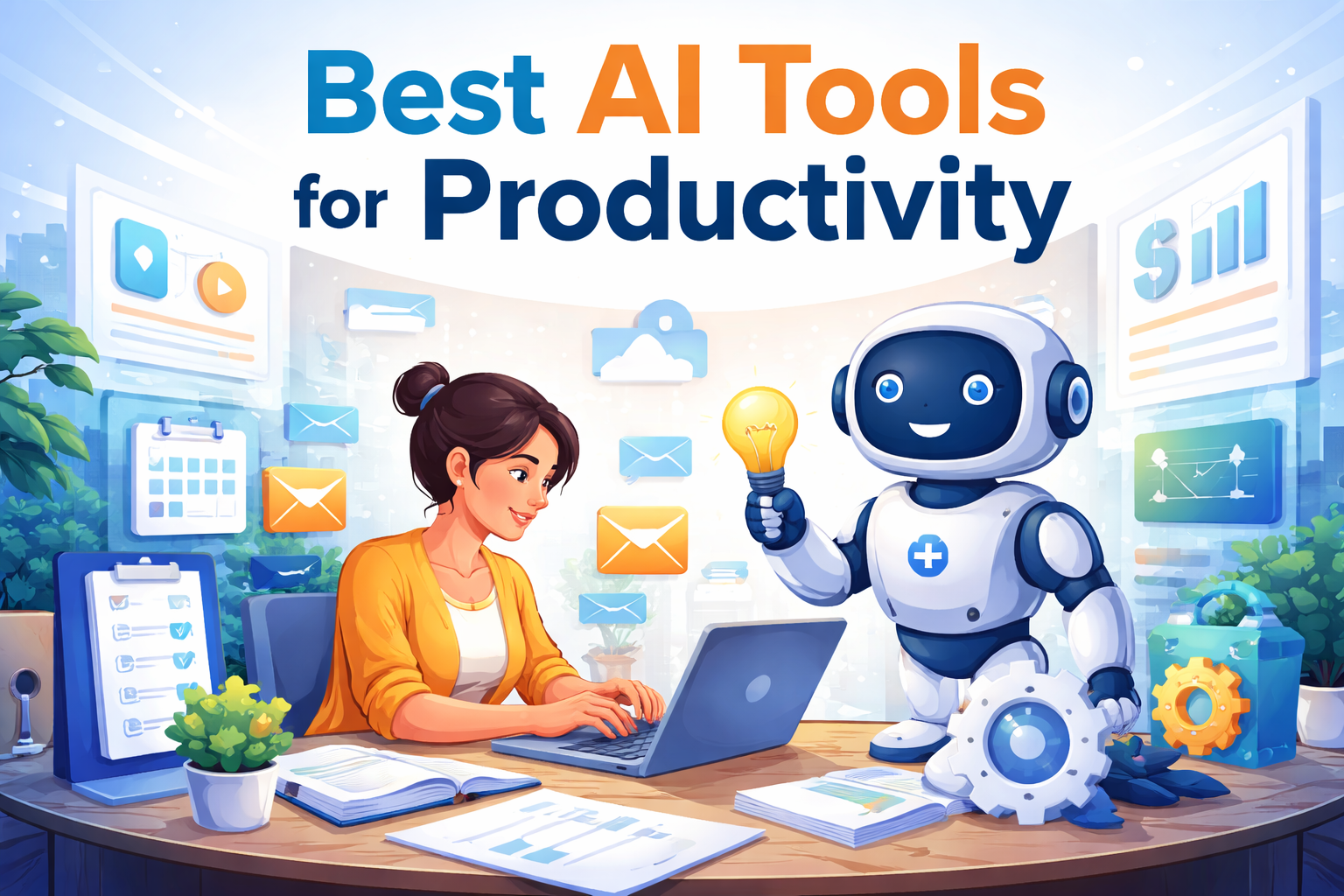
Being productive has always been the key to success in both your personal and professional life. In a world where there is too much information, too many notifications, and too much work to do, working harder is no longer the answer. It’s smarter to work. This is where productivity tools powered by AI have become necessary.
The Complete Series
The whole Claude craft, one library.
$47 $190 · 10 books · 693 pages

Artificial intelligence is no longer just for big companies or advanced research labs. Today, people, freelancers, teams, and businesses of all sizes can use it. AI has changed the way we do our daily tasks by automating repetitive work and making it easier to focus, make decisions, and manage our time.
This guide goes over the best AI tools for getting things done, how they work, and how to use them in a smart way to be more productive in the long run. This article doesn’t focus on short-lived trends. Instead, it talks about basic knowledge, proven use cases, and productivity strategies that will work for a long time.


From the No-Hype series
Two of the ten books readers start with.
Writing that sounds like you · a workspace that remembers your business. The full library: 693 pages, $47.
See the path →Knowing AI and Productivity
It is important to know how artificial intelligence and productivity are related before getting into tools.
Being productive doesn’t mean doing more work. It’s about getting better results with less work, time, and stress. AI helps people be more productive by looking for patterns, learning from how people act, and making decisions or taking actions that used to need human input.
At its core, AI is great at:
- Quickly processing a lot of data
- Finding patterns and things that don’t work well
- Putting tasks that are the same or follow rules on autopilot
- Helping with planning and making choices
When used correctly, AI tools for productivity make daily tasks easier, freeing up people to focus on creativity, strategy, and meaningful work.
Why AI Tools Are Important for Getting Things Done Today

Old-fashioned ways to get things done, like making lists by hand, using spreadsheets, and blocking out time, are still useful. But they need a lot of self-control and regular maintenance. AI makes these methods better by changing them on its own.
Some of the main reasons AI tools make people more productive are:
Less mental work
AI takes care of sorting, prioritizing, making decisions, and sending reminders. This helps you think more clearly and make decisions more easily.
Saving time
You can now do things like organizing information, summarizing content, and scheduling meetings in seconds instead of hours.
Accuracy and Consistency
AI systems never forget deadlines, lose files, or miss important details because they are tired.
Scalability
AI systems change to handle more work without needing more time or resources.
These benefits make AI especially useful for increasing productivity over the long term, not just for short-term efficiency gains.
From the No-Hype series
Two of the ten books readers start with.
Writing that sounds like you · a workspace that remembers your business. The full library: 693 pages, $47.
See the path →Main Types of AI Tools for Getting Things Done

It helps to know how tools are grouped in order to use AI well. There are a few main types of AI-powered productivity tools.
Managing tasks and workflows
These tools help you keep track of your tasks, set priorities, and automatically keep track of your progress.
Help with Writing and Talking
AI makes emails, documents, and internal communication clearer, faster, and more polite.
Research and Knowledge Management
AI quickly organizes information, summarizes content, and finds insights.
Planning and making the best use of time
These tools take care of calendars, meetings, and focus time with little help from the user.
Integration and Automation
AI links up different tools and makes repetitive tasks easier to do on different platforms.
Each category deals with a different problem with productivity, and the best setups use tools from more than one category.

Agents and Code — without the jargon.
Two of ten books in the complete No-Hype Guide · 693 pages · $47
AI Tools for Task and Workflow Management
Managing tasks efficiently is one of the most impactful areas where AI improves productivity.
Intelligent Task Prioritization
AI-powered task managers today look at deadlines, workloads, and past behavior to suggest what to do next. Tasks become dynamic and aware of their surroundings instead of just being on a list.
AI can:
- Find out which tasks are urgent and which are important.
- Adjust priorities based on changing schedules
- Automatically find work that is late or has been ignored
This method gets rid of the need to constantly reorder by hand and makes follow-through better.
Planning Ahead
Some systems analyze past performance to estimate how long tasks will take, helping users plan realistic schedules. This helps with planning and keeps people from getting burned out over time.
Real-World Example
Professionals managing multiple projects often struggle with overcommitment. AI task managers reduce this by highlighting capacity limits and suggesting workload adjustments before problems arise.
AI Tools for Writing and Communication

One of the biggest time wasters at work these days is talking to people. Emails, reports, proposals, and messages consume hours each day.
Faster Content Creation
AI writing assistants help you quickly write content that is clear and well-structured. They are especially useful for:
- Emails and responses
- Summaries and reports
- Documentation for internal use
Better Quality and Consistency
AI tools check for tone, grammar, and clarity, making sure that communication is professional without the need for multiple revisions.
Long-Term Productivity Benefit
Over time, users develop better writing habits by learning from AI suggestions, improving productivity even when AI assistance is minimal.
AI for Knowledge Management and Information Processing

Information overload is one of the biggest productivity challenges. AI is great at sorting through information and finding useful things in it.
Summarization by machine
AI tools can summarize long articles, documents, and meeting notes into concise insights, saving hours of reading time.
Intelligent Search
Instead of manually browsing folders or notes, AI-powered search tools retrieve relevant information instantly using natural language queries.
Knowledge Retention
Some systems automatically link notes, ideas, and documents together to make a personal knowledge base that gets more useful over time.
Sample Use Case
AI-assisted knowledge organization is a big help for students, researchers, and professionals who work with a lot of information because it cuts down on duplication and wasted time.

AI Tools for Planning and Managing Time
Time is the thing we have the least of. AI helps make the best use of it.
Smart Scheduling
AI scheduling tools look at availability, preferences, and priorities to:
- Set up meetings on their own
- Stay away from fights
- Keep deep work time safe
Improving Focus
Some tools keep track of work patterns and suggest the best times to focus, take breaks, or switch tasks based on how productive you are.
Awareness of Time Over the Long Term
AI can find patterns and inefficiencies that are hard to see by hand by keeping track of how much time is spent on different tasks over weeks or months.
AI Tools for Automating Repetitive Tasks

AI gives the biggest boosts to productivity in automation.
Getting rid of manual work
AI automation tools link apps and systems together so that they can do the same tasks over and over again, like:
- Entering data
- Organizing files
- Updates on status
- Alerts and notifications
Integration of workflows
AI automates handoffs between systems instead of having to switch between different tools, which makes workflows run smoothly.
Advantage in Strategy
People and teams can get back time for high-impact work, creativity, and decision-making by getting rid of low-value tasks.
Personal Productivity AI: Making Workflows Your Own
Personalization is one of the most powerful things about modern AI.
Learning that adapts
AI systems watch how people use them and change their recommendations based on what they see. This includes:
- Preferred hours of work
- How quickly tasks are done
- How you talk to people
Insights that are unique to you
Over time, AI gives users personalized information about their productivity habits, which helps them get better all the time.
Productivity that lasts
AI adapts to people instead of forcing rigid systems, which makes productivity strategies last longer.
Picking the Best AI Tools for Getting Things Done
Not every tool works the same for every person. It takes careful thought to pick the right ones.
Important Things to Look For
- How easy it is to use and learn
- Working with tools that are already in use
- Privacy and security of data
- Choices for customization
- Long-term reliability
Not Overloading Your Tools
Too many tools can make you less productive. It is better to select a few well-integrated AI tools that cover multiple needs.
Begin Small
Begin with one or two tools that address the biggest productivity bottlenecks, then expand gradually.
Best Practices for Using AI Tools Effectively

Simply adopting AI tools does not guarantee productivity gains. How they are used matters.
Maintain Human Oversight
AI is a support system, not a replacement for judgment. Look over outputs and decisions on a regular basis.
Set Clear Goals
Know what you want to work on—like time management, focus, or the quality of your work—and pick the right tools for that.
Look over and change
The needs of productivity change. Check tools and workflows every so often to make sure they are still useful.
Things to think about from an ethical and practical point of view
Using AI responsibly is necessary for long-term productivity.
Privacy of Data
Pick tools that are clear about how they handle data, and don’t share private information unless you have to.
Developing Skills
Avoid over-reliance on AI. Use it to enhance skills, not replace learning and critical thinking.
Automation that is balanced
Some tasks shouldn’t be done automatically. Some manual tasks make you think and be creative.
The Future of AI Tools to Help You Get Things Done

Technology will keep changing, but the main benefits of AI for productivity are unlikely to change.
Future changes will probably focus on:
- More personalization
- More integration of tools
- Better communication in natural language
- Better moral standards
The basic ideas of automation, optimization, and intelligent assistance will still be important, no matter what technologies are used.
Last Thoughts
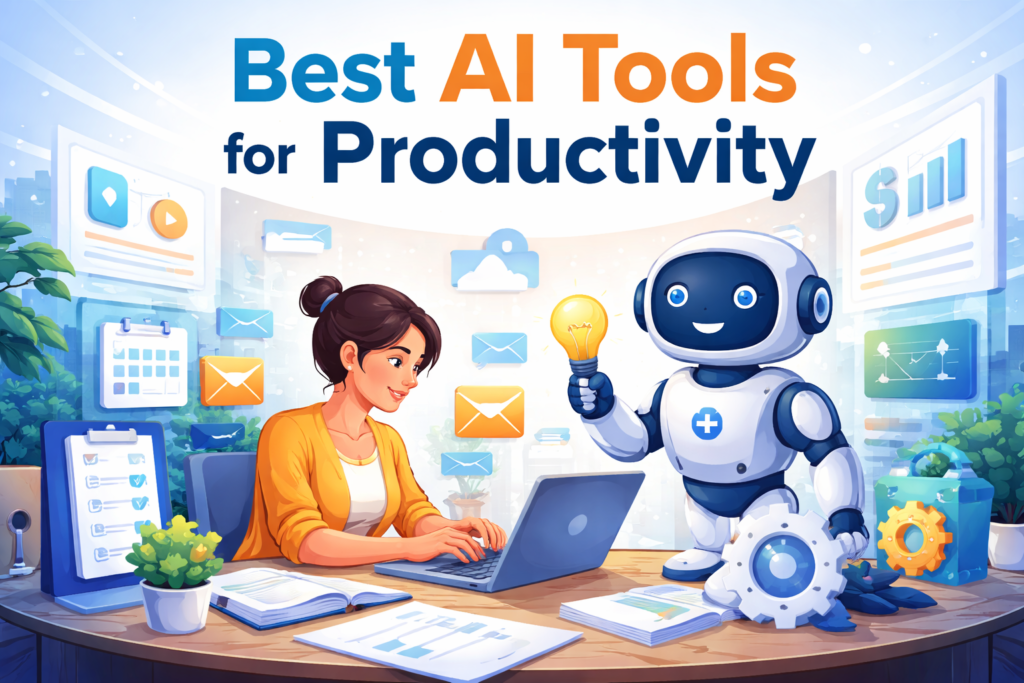
AI tools that help you get things done are here to stay. They signify a fundamental transformation in the organization, management, and execution of work. AI helps people and teams do more with less effort by lowering cognitive load, automating repetitive tasks, and giving smart insights.
Building a productivity system that uses AI in a smart and planned way is the key to long-term success, not chasing every new tool. When used correctly, AI is like a silent partner that works in the background, saves time, lowers stress, and helps you always do your best work.
As daily tasks become more difficult, people who use AI to boost their productivity today will be better able to handle the challenges of tomorrow.
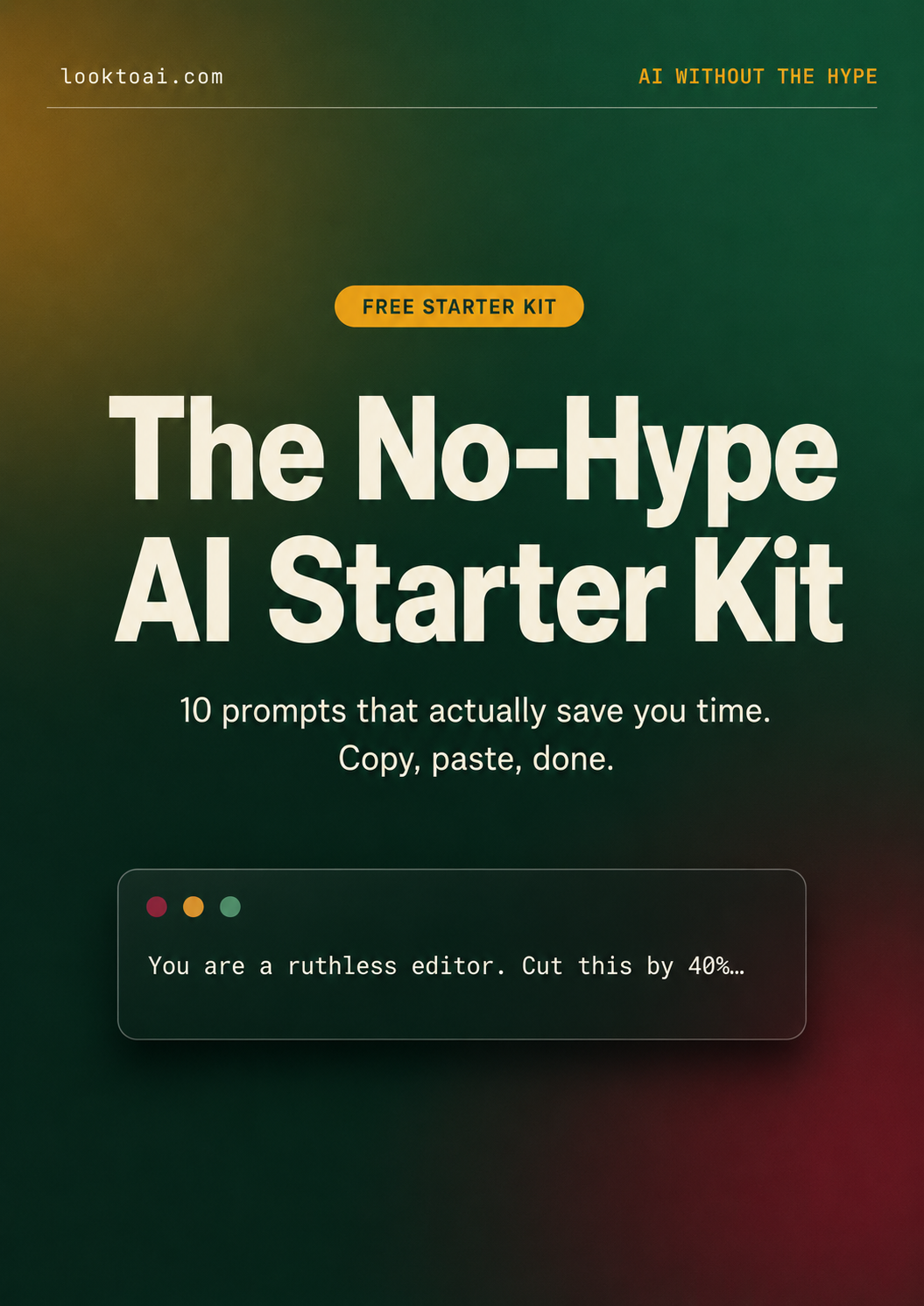
Enjoyed this? Steal the 10 prompts I actually use.
The No-Hype AI Starter Kit — copy-paste prompts, a model cheat-sheet, and a 7-day plan. Drop your email and it's yours instantly.
No spam. Unsubscribe anytime.