



You ranked on page one and the traffic still dried up. That’s because more people now ask ChatGPT instead of scrolling Google, and ChatGPT answers them directly — often without sending a single click. So the new question isn’t “how do I rank,” it’s how to get cited in ChatGPT answers, so your site is the source the model quotes. This guide is the practical version: what actually earns a citation, what’s overhyped, and the technical step most sites get wrong without realizing it.
From the series: everything in this article — and the nine books around it — lives in The Complete No-Hype Guide to Claude. 10 books, 693 pages, 450+ tested prompts, $47. See the library →
To get cited in ChatGPT answers, make your content easy for AI to extract and trust. Open each section with a direct 40–60 word answer, pack in specific facts and dated statistics, cite credible sources, add FAQ schema, and allow AI crawlers in your robots.txt. Citations follow clarity and authority — not keyword tricks. Be the clearest, most factual source on a specific question and the model reaches for you.
Key Takeaways
- ›Getting cited means becoming the source an AI quotes inside its answer — a different goal than ranking a blue link.
- ›Answer-first writing wins: a 50-word direct answer gets pulled into responses far more often than a 500-word essay that buries the point.
- ›Fact density is the biggest lever — research shows adding statistics, citations, and expert quotes each lift AI visibility by 30–40%.
- ›Many sites accidentally block AI crawlers in robots.txt, which makes every other tactic pointless.
- ›Brand mentions matter: the more people search your name, the more AI engines trust and cite you.
What “Getting Cited in ChatGPT” Means — and Why It’s the New SEO
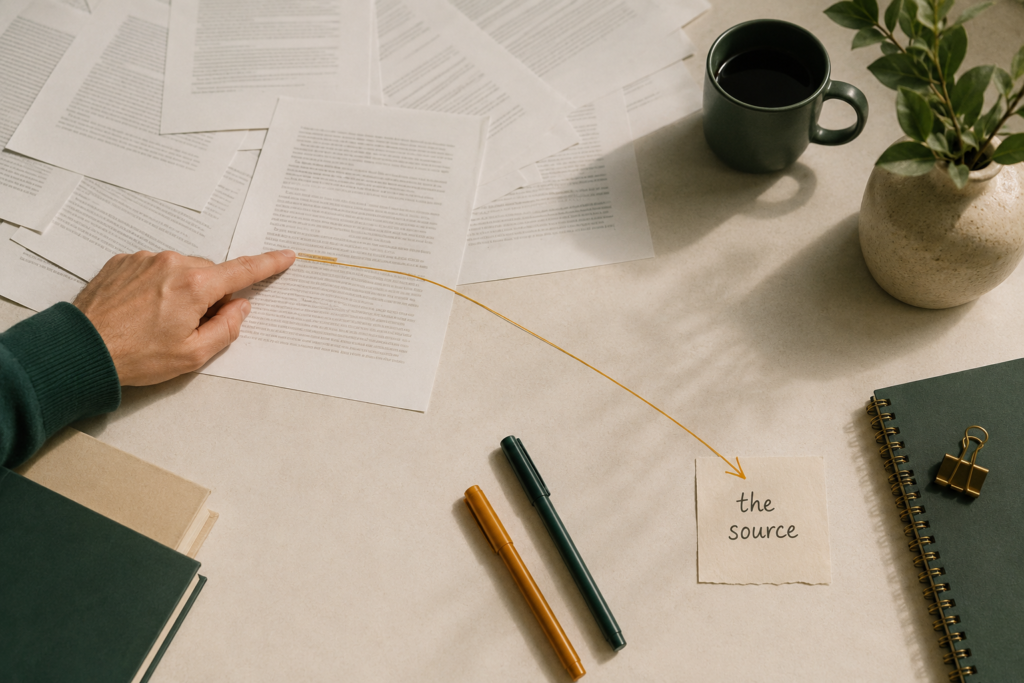
Getting cited means your page becomes the source an AI engine quotes when it builds an answer, rather than just one of ten links a user might click. This is the heart of GEO — Generative Engine Optimization — the practice of structuring content so engines like ChatGPT, Perplexity, Claude, and Google’s AI answers pull from it and name it. The narrower discipline of formatting content to be instantly extractable is called AEO, Answer Engine Optimization. The term GEO was formalized in a 2024 research paper from Princeton, Georgia Tech, IIT Delhi, and the Allen Institute for AI, presented at the KDD 2024 conference.
The shift behind it is real, not marketing. ChatGPT now handles billions of queries a day and has hundreds of millions of weekly users, and a growing share of searches end without anyone clicking a website at all. When the answer resolves on the screen, the citation inside that answer is often the only impression you get. If you’re not in it, you’re invisible — no matter how well you rank.
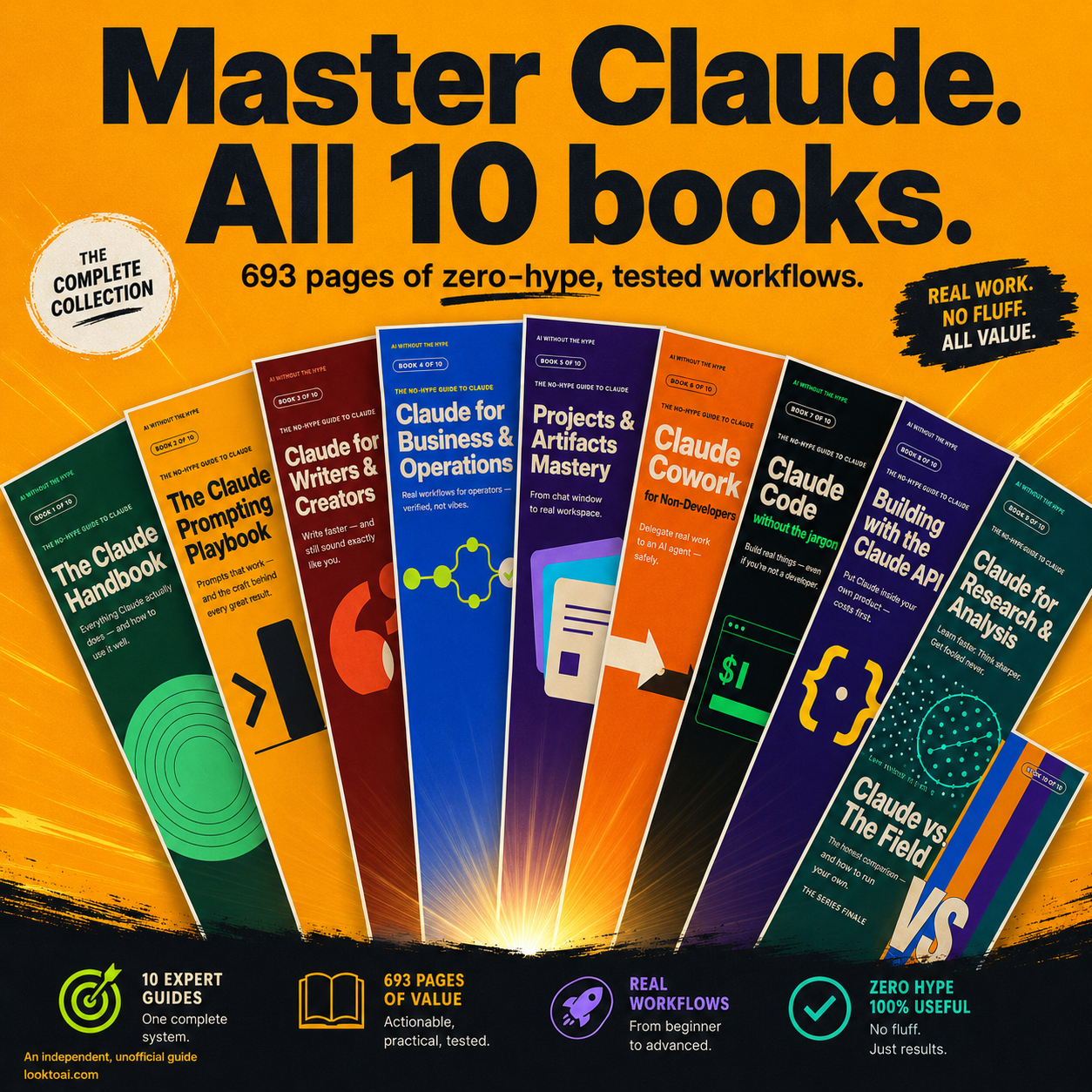
The Complete Series
The whole Claude craft, one library.
$47 $190 · 10 books · 693 pages
Here’s the reassuring part for a smaller site: this is mostly good SEO with sharper structure. <a href=”https://developers.google.com/search” target=”_blank” rel=”noopener noreferrer”>Google’s own guidance</a> has been blunt that optimizing for AI answers is still optimizing for quality and helpfulness — the same E-E-A-T foundations (experience, expertise, authoritativeness, trustworthiness) that already mattered. You’re not learning a separate dark art. You’re making your existing content easier to read, trust, and quote.
One honest caveat before the tactics: raw authority still tilts the field. Larger sites with thousands of referring domains get cited more often. But you don’t need to outrank a giant on everything — you need to be the clearest, most specific source on the narrow questions your audience actually asks an AI. That’s a winnable game.
How ChatGPT Decides Which Sources to Cite
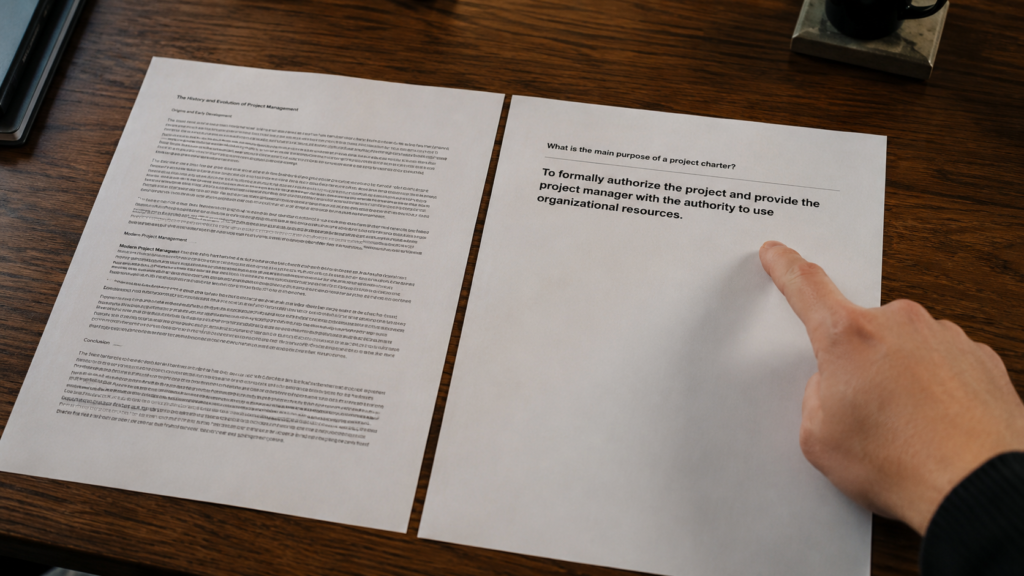
ChatGPT doesn’t pick sources the way Google ranks links, so understanding the mechanics tells you what to optimize. When ChatGPT answers a current question through its Search feature, it retrieves live web results — frequently drawing on Bing’s search index — and reads candidate pages with its own crawler, OpenAI’s GPTBot and OAI-SearchBot. For broader questions, it leans on what it absorbed during training plus what it can retrieve in the moment. The retrieval step is where citations are won or lost: the system does a semantic match, looking for passages that clearly and factually answer the specific question, then synthesizes them and footnotes the strongest sources.
The retrieval step is where citations are won or lost. The system does a semantic match: it looks for passages that clearly and factually answer the specific question, then synthesizes them into a response and footnotes the strongest sources. It favors content that’s structured, factual, and free of marketing fluff — because fluff is hard to extract a clean answer from. Long narratives that bury the point get skipped in favor of pages that state the answer plainly.
Two practical truths fall out of this. First, your content has to be reachable — ChatGPT’s crawlers (GPTBot for training, OAI-SearchBot and ChatGPT-User for live answers) must be allowed to read your site. Second, your content has to be extractable — organized so a machine can lift a clean, self-contained answer without guessing. Get both right and you’re in the running. Miss either and the rest doesn’t matter.
Picture two pages competing for the same citation on “what’s the best email length for cold outreach.” Page A opens with three paragraphs of backstory and mentions the answer halfway down, vaguely, as “keeping it short tends to help.” Page B opens its section with: “Cold emails between 50 and 125 words get the most replies, because busy readers skim.” The model reads both, finds Page B’s answer instantly extractable and specific, and cites it. Page A had the same knowledge and lost the citation purely on structure. That gap — same facts, different formatting — is the entire game, and it’s why structure beats word count almost every time.
How to Get Cited in ChatGPT Answers: 7 Things That Actually Work
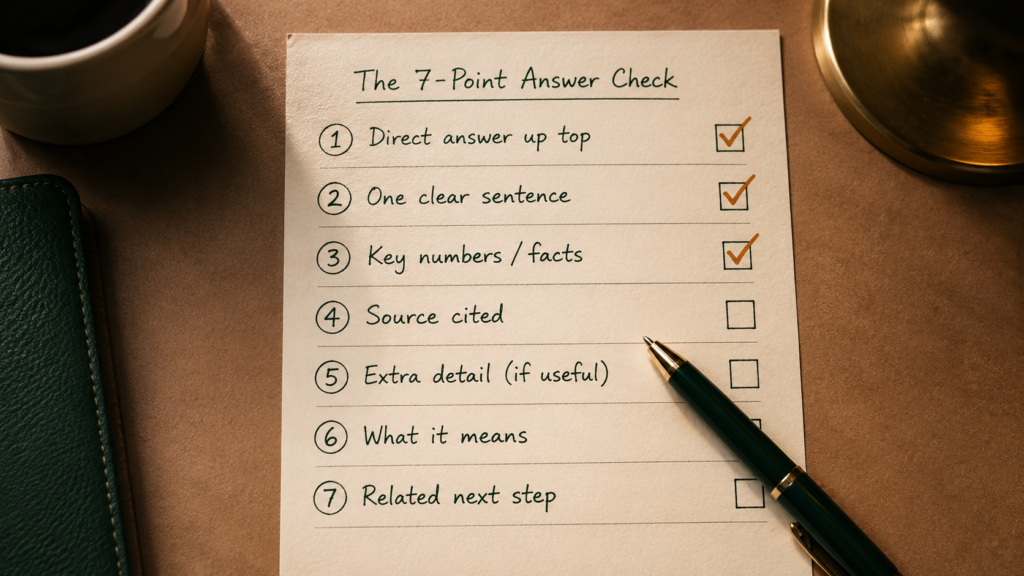
These seven moves are ordered by impact, and the first few do most of the heavy lifting. None of them are tricks — they’re what makes content genuinely more quotable.
1. Lead every section with a direct answer. This is the single highest-impact habit. Open each section with a self-contained 40–60 word answer to the question, then add the supporting detail. AI engines extract that opening block. A 50-word answer that gets straight to the point gets cited over a 500-word build-up every time.
2. Raise your fact density. Vague commentary doesn’t get quoted; specific facts do. Add real numbers, dated statistics, named studies, and concrete examples. The Princeton-led study tested nine optimization methods across 10,000 queries and found that adding statistics, citing sources, and including expert quotes each lifted a page’s visibility in AI answers by roughly 30–40%. Specificity is the work.
From the No-Hype series
Two of the ten books readers start with.
Writing that sounds like you · a workspace that remembers your business. The full library: 693 pages, $47.
See the path →3. Cite credible sources in your own copy. Linking out to authoritative references signals that your claims are grounded, and models reward that. A page that says “according to a 2024 KDD study” reads as more trustworthy than one making bare assertions.
4. Use the formats AI loves: FAQs, comparisons, and lists. Question-and-answer blocks map directly onto how people prompt AI, so a page that literally contains the question followed by a tight answer gets pulled in. Comparison pages (“X vs Y”) and honest “best tools for Z” roundups get cited heavily because users constantly ask comparison questions.
5. Show real E-E-A-T. Put a named author with genuine experience on the page, a real bio, and first-hand detail. Anonymous content reads as low-trust to both Google and AI. This is exactly why a founder-led, opinionated site can punch above its domain authority.
6. Keep pages fresh and dated. AI engines prefer current, dated content over undated “timeless” guides. A visible publish and updated date, plus genuinely current information, makes your page more citable than an evergreen post with no timestamp.
7. Earn brand mentions off-site. This is the slow compounding one. The more your brand name gets mentioned and searched across the web — including places AI engines lean on for consensus, like Reddit and trusted publications — the more they trust and cite you. In one 2026 analysis, brand search volume showed the strongest correlation of any factor with AI citations.
The good news in that table: GEO and SEO aren’t rivals. Clear structure, schema, and authority help both Google and AI engines, so the work compounds. For a deeper technical walkthrough, <a href=”https://www.frase.io/blog/what-is-answer-engine-optimization-the-complete-guide-to-getting-cited-by-ai” target=”_blank” rel=”noopener noreferrer”>Frase’s complete AEO guide</a> is a solid reference.
The Technical Setup Most Sites Get Wrong
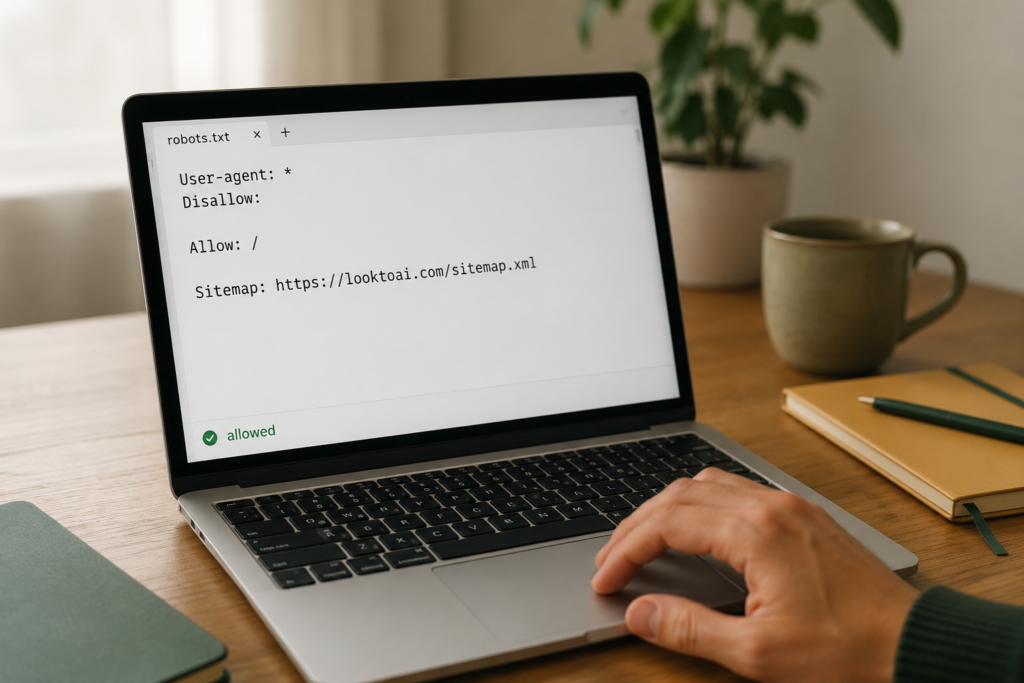
Before any content tactic pays off, the machines have to be able to read your pages — and this is where a surprising number of sites quietly sabotage themselves. The fixes are quick but non-negotiable.
Recommended resource
The Complete No-Hype Guide to Claude
10 books · 693 pages · 450+ tested prompts · $47 $190
Allow the right crawlers. In your <a href=”https://developers.google.com/search/docs/crawling-indexing/robots/intro” target=”_blank” rel=”noopener noreferrer”>robots.txt file</a>, explicitly allow OpenAI’s bots: GPTBot (for training), and OAI-SearchBot and ChatGPT-User (for live answers). A single overly broad “disallow” can silently lock you out of ChatGPT entirely.
Add structured data. Mark up your question-and-answer pairs with FAQPage schema and your posts with Article schema, so engines can read them as machine-clean Q&A. FAQ schema has been found to make pages several times more likely to appear in Google’s AI Overviews — and it’s a free plugin setting in most SEO tools.
Keep the structure clean and semantic. Use a logical H2/H3 hierarchy, real HTML headings (not bolded text pretending to be headings), tables for comparisons, and short paragraphs. Clean semantic structure is what lets a model chunk your page into citable passages.
A quick word on llms.txt, since it’s everywhere right now: it’s a proposed convention for telling AI models how to read your site, but as of early 2026 it isn’t a ratified standard and no major AI provider has confirmed reading it in production. Add it if you want — it’s low effort — but don’t treat it as a magic switch. The crawler access and schema above are what actually move the needle today.
How to Know If You’re Getting Cited in ChatGPT Answers
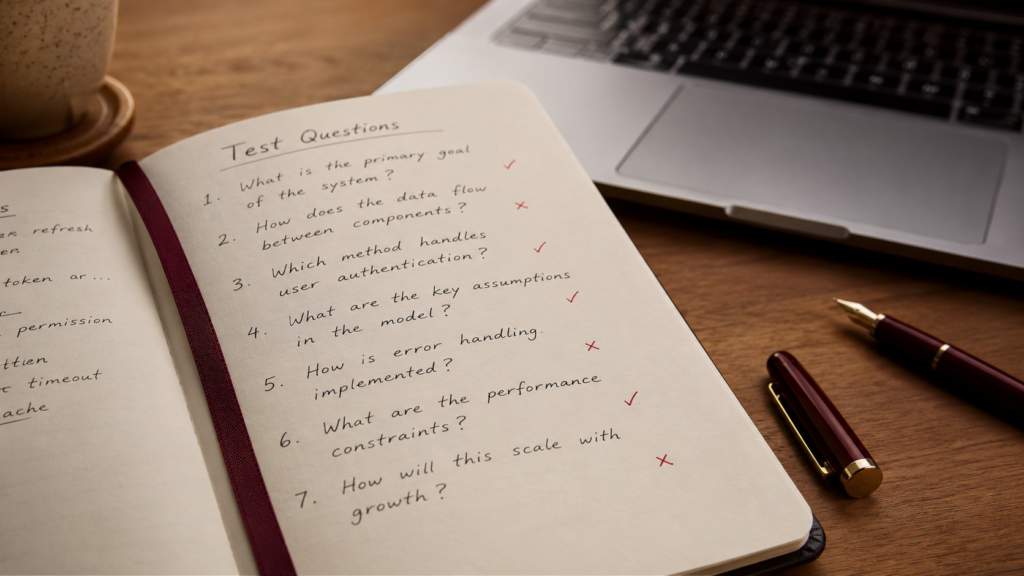
You can’t improve what you don’t measure, and AI citations need a different scorecard than rankings. Traditional analytics won’t show you whether ChatGPT quoted you, so you have to track it deliberately.
Start with a manual baseline. List 20–50 questions your audience would actually ask an AI in your niche. Once a month, run them through ChatGPT, Perplexity, and Google’s AI answers, and note where your site is cited, where a competitor is, and where nobody relevant appears. That last bucket — questions with no strong source — is your fastest opportunity.
Track the right metrics. Watch your citation frequency (how often you’re named), your share of voice against competitors across those prompts, and your referral traffic from AI platforms. AI-referred visitors are worth watching closely; multiple analyses find they convert at several times the rate of ordinary organic traffic, because they arrive pre-qualified by the AI’s recommendation.
Use tools if you scale. Once manual checking gets old, purpose-built trackers like Profound, Otterly.ai, or the AI-visibility features now built into Semrush will monitor your citations across engines automatically. But don’t buy a tool before you’ve done the manual round — the manual pass teaches you what your audience actually asks, which is the real input.
Common Mistakes That Keep You Out of AI Answers

Even people doing GEO seriously trip on these, and each one quietly caps your citation rate.
Burying the answer. Writing a long, atmospheric intro before getting to the point is fine for humans who scroll, but AI extracts the first clear answer it finds. If your real answer is in paragraph four, the model may grab a competitor’s paragraph one instead. Front-load every section.
Optimizing only for ChatGPT. The engines differ — ChatGPT leans on depth and expertise, Perplexity prioritizes freshness, Claude rewards neutral, logical clarity. If you tune only for one, you miss the others. Write for clarity and fact density and you tend to satisfy all of them at once.
Chasing llms.txt and ignoring robots.txt. People add the trendy, unproven file while leaving an accidental block on the proven crawlers. Fix access first, experiment with conventions second.
Saying nothing new. If your page only restates what the model already knows, it has no reason to cite you — there’s no information gain. Original data, a first-hand test, a specific number nobody else published: that’s what makes a citation worth the model’s footnote.
Frequently Asked Questions
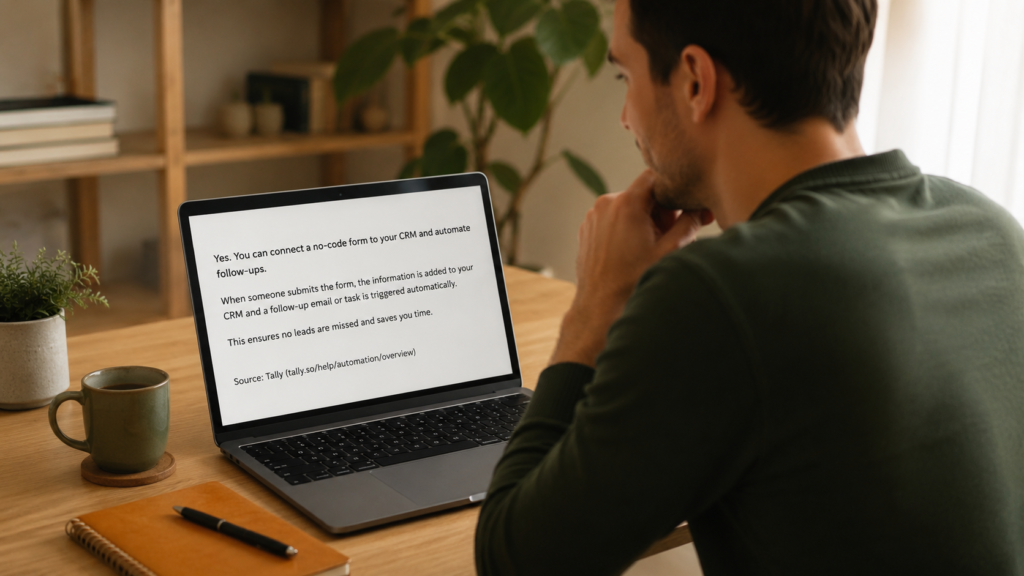
How do I get my website cited by ChatGPT? Make your content easy to extract and trust. Open each section with a direct 40–60 word answer, include specific statistics and cite credible sources, add FAQ and Article schema, and allow AI crawlers (GPTBot, OAI-SearchBot) in your robots.txt. Then build off-site brand mentions over time. Citations follow clarity, fact density, and authority — not keyword stuffing or shortcuts.
What is the difference between SEO and GEO? SEO optimizes to rank links in a results page, using keywords and backlinks. GEO (Generative Engine Optimization) optimizes to get cited inside an AI’s synthesized answer, using fact density, structure, and authority. They overlap heavily — good technical SEO supports GEO — but the success metric changes from rankings and clicks to citation frequency inside AI responses.
Does ChatGPT actually link to sources? Yes, increasingly. When ChatGPT answers using its Search feature, it retrieves live web pages and footnotes the sources it used, which users can click. For questions answered purely from training data, it may name sources without live links. Either way, being the cited source is the new visibility — so structuring content to be quotable directly affects whether you appear.
Will optimizing for AI hurt my Google rankings? No — they reinforce each other. The core GEO moves (clear structure, fast direct answers, schema, fact density, real authorship) are exactly what Google’s helpful-content system already rewards. Google has confirmed that optimizing for AI answers is still optimizing for quality. You’re not trading one for the other; you’re strengthening both with the same work.
Do I need a high-authority site to get cited? It helps, but it isn’t required for niche queries. Big sites get cited more on broad topics, but AI engines pull from thousands of domains and reward the clearest, most specific answer to a precise question. A smaller, focused, genuinely expert site can win citations on the exact questions its audience asks — which is often where the buyers are anyway.
Is llms.txt worth adding? It’s low-risk but unproven. llms.txt is a proposed file for guiding how AI reads your site, but as of early 2026 it’s not a ratified standard and no major AI provider has confirmed using it in production. Add it if you like — it takes minutes — but prioritize the things that demonstrably work: crawler access, schema, answer-first structure, and fact density.
What to Do With This Next
The whole of how to get cited in ChatGPT answers comes down to one shift: stop writing to rank and start writing to be quoted — answer-first, fact-dense, genuinely expert, and technically readable by the crawlers. Pick one important page this week, give every section a direct opening answer, add two real statistics, check your robots.txt, and run ten of your audience’s real questions through ChatGPT to see where you stand. The citation window is open now, and the sites structuring for it early are the ones AI will keep returning to.
Want the templates that make AI quote you?
Get the answer-first content templates, FAQ-schema snippets, and prompt formulas we use to structure pages AI engines actually cite — inside the AI Operator Library.
Browse the Library →
Enjoyed this? Steal the 10 prompts I actually use.
The No-Hype AI Starter Kit — copy-paste prompts, a model cheat-sheet, and a 7-day plan. Drop your email and it's yours instantly.
No spam. Unsubscribe anytime.