


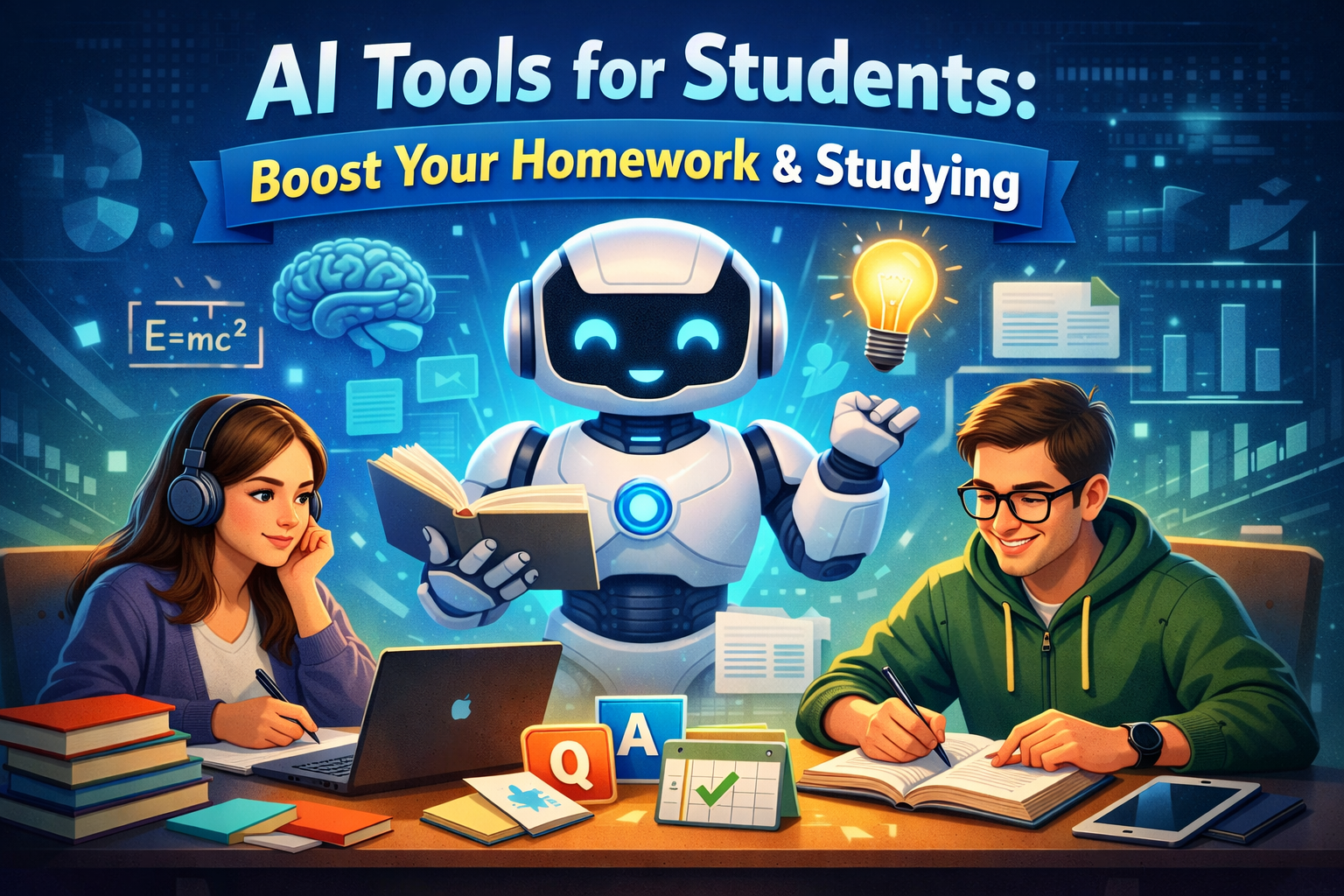
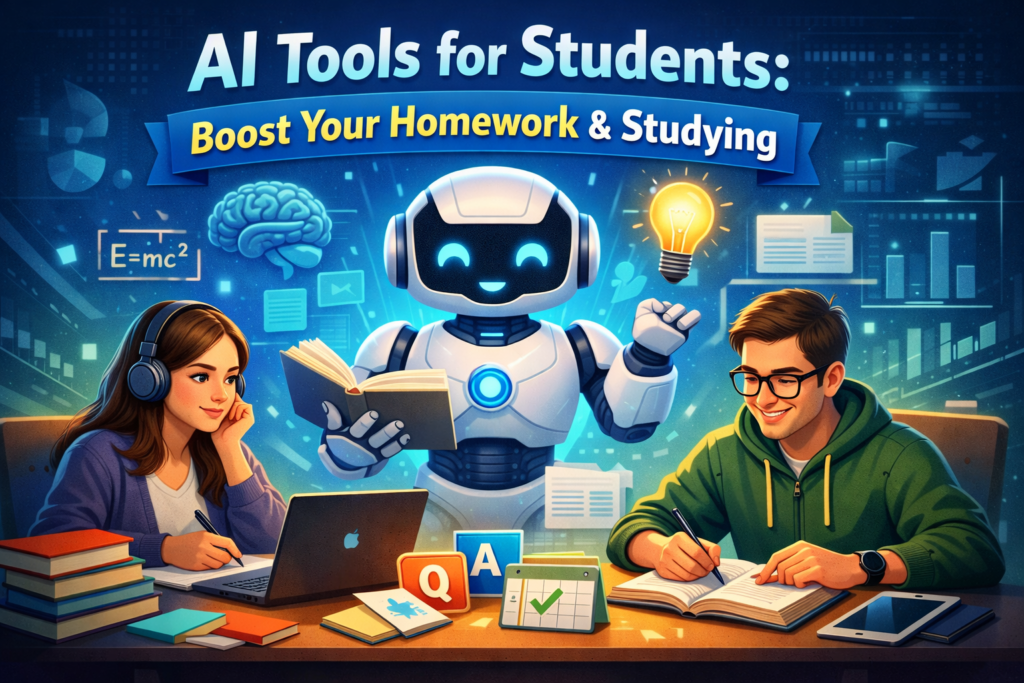
Artificial intelligence is no longer just something that tech experts talk about in the future. AI tools for students are changing the way students do research, study, write, plan their time, and finish their homework more quickly and easily. These tools don’t replace learning when used correctly. Instead, they make it better by saving time, making things clearer, and helping students focus on what’s really important.



Half the shelf, shown. The craft needs all ten.
The Complete No-Hype Guide to Claude · 693 pages · 450+ tested prompts
See the full shelf — $47This detailed guide is meant to be a useful, long-lasting resource for students, parents, and teachers who want to learn how AI can really help with academic success. Instead of following short-lived trends, we focus on basic principles, proven use cases, and reliable tools that will always be useful, no matter what technologies come out.
How Students Can Use AI Tools

AI tools for students are basically software programs that help with schoolwork by using machine learning, natural language processing, or automation. These tools look at data, find patterns, and give smart help that is specific to each person’s needs.

The Complete No-Hype Guide to Claude
$47 $190 SAVE 75%
10 books · 693 pages · 450+ copy-paste prompts · instant download
Run the numbers →AI-powered tools are different from regular educational software because they change based on how students learn. They can break down hard ideas into simpler ones, make personalized study plans, and give you feedback right away that used to take hours of work by people.
Why AI is Important in School
Education has always had problems, like not enough time, too much information, and different ways of learning. AI helps fill in these gaps by:

- Giving students personalized learning experiences
- Cutting down on tasks that have to be done over and over, like checking grammar or formatting notes
- Helping students study on their own outside of class
- Helping people plan and manage their time better
When used correctly, AI improves learning instead of making it worse.
How to Use AI in a Fair and Useful Way as a Student

It’s important to know how to use AI responsibly before you start using specific tools. The point is not to let AI do your work for you, but to help you learn.
AI as a Learning Tool, Not a Quick Fix
What it means to use things ethically:
- Using AI to learn things, not just copy answers
- Making drafts better instead of passing off AI-generated work as your own
- Checking facts and thinking critically
More and more, teachers value the process over getting things right. AI should help students learn more, not skip learning.
Types of AI Tools That Are Most Helpful for Students
Different problems in school need different answers. Here are the most important areas where AI always adds value.
AI Tools to Help with Homework
Homework can be hard to handle when the instructions aren’t clear, the concepts are hard to understand, or you’re short on time. AI tools for homework are meant to help students learn by showing them how to do things instead of just giving them the answers.
Important Benefits
- Make hard problems easier to understand by breaking them down into steps.
- Give explanations in a variety of ways that work for different types of learners.
- Give feedback right away
Example from the real world
AI-powered math helpers can help a high school student who is having trouble with algebra understand why an answer works, not just what the answer is. This helps you learn how to solve problems for a long time.
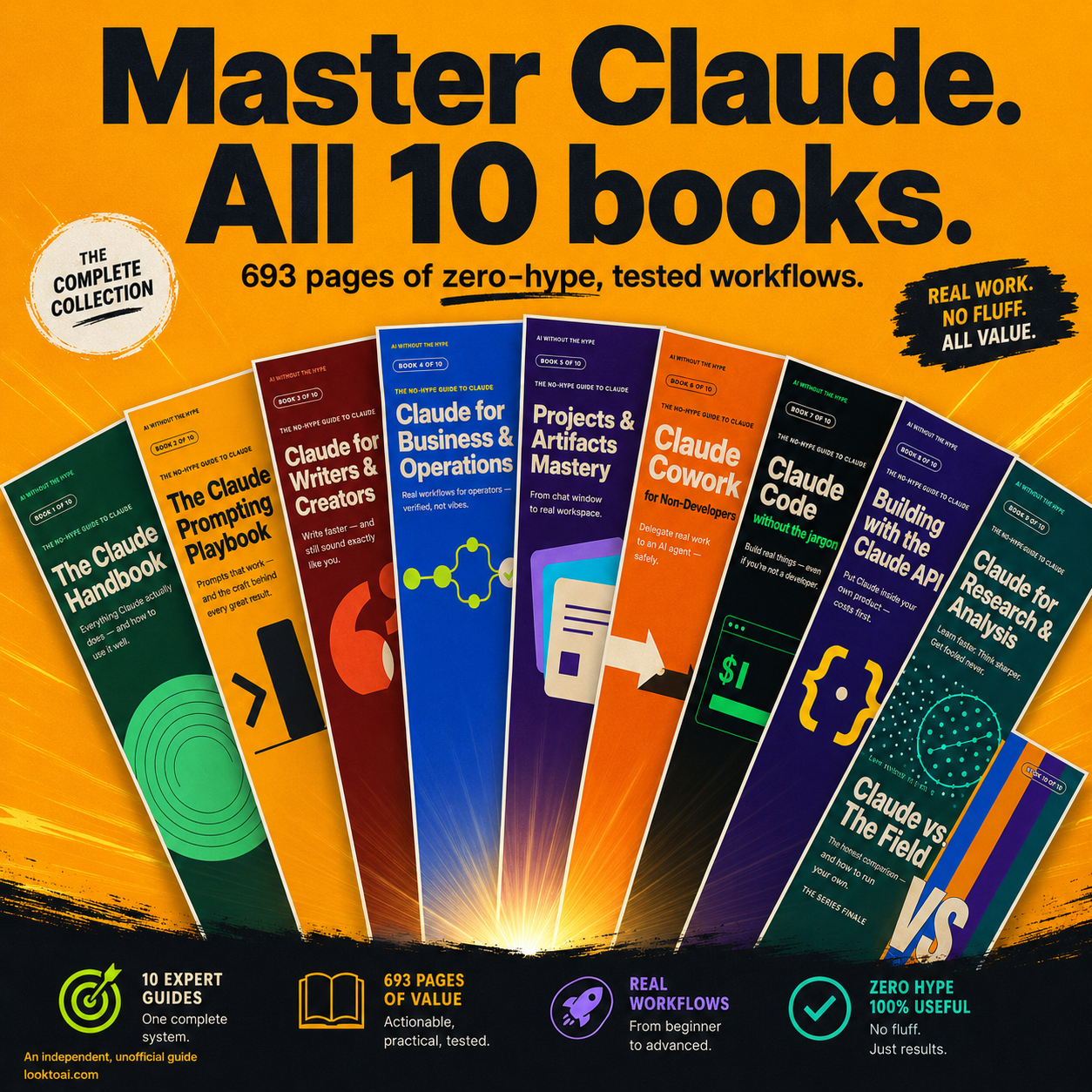
The Complete Series
The whole Claude craft, one library.
$47 $190 · 10 books · 693 pages
AI Tools for Studying and Getting Ready for Tests

To study well, you need structure, repetition, and clarity. AI tools for studying are great at turning messy notes into well-organized information.
How AI makes studying better
- Changes notes into flashcards and summaries
- Finds weak spots for focused review
- Helps you plan study sessions around due dates
Value Over Time
These tools work best for standardized tests, learning a new language, and subjects with a lot of content, like biology or history.
AI Tools for Students to Write and Research

Writing essays and doing research are two important academic skills. AI helps students without taking the place of critical thinking.
Help with Writing
AI-powered writing tools can help with:
- Grammar and clarity
- Structure and tone of the sentence
- Logical flow of arguments
Instead of rewriting content entirely, the best tools suggest improvements that help students grow as writers.
Research Support
AI can:
- Summarize academic articles
- Highlight key ideas
- Help come up with research questions
This saves hours of work while still being honest in school when used correctly.
From the No-Hype series
Two of the ten books readers start with.
Writing that sounds like you · a workspace that remembers your business. The full library: 693 pages, $47.
See the path →Note-Taking and Lecture Assistance AI Tools

It’s easy to miss important points when lectures go by quickly. AI-powered note-taking tools help students quickly and easily write down and organize information.
Practical Use Cases
- Writing down recorded lectures
- Putting notes in order by subject
- Generating summaries for revision
These tools are especially helpful for online learning and large lecture halls.
Tools for keeping students productive AI powers
It’s not just about being smart to do well in school; it’s also about being organized. Tools for student productivity help students keep track of their time, tasks, and priorities.
What AI Productivity Tools Are Best At
- Make smart plans
- Set reminders that are based on due dates
- Stop putting things off
Students can put more energy into learning by automating planning.
What to Expect from Free AI Tools for Students
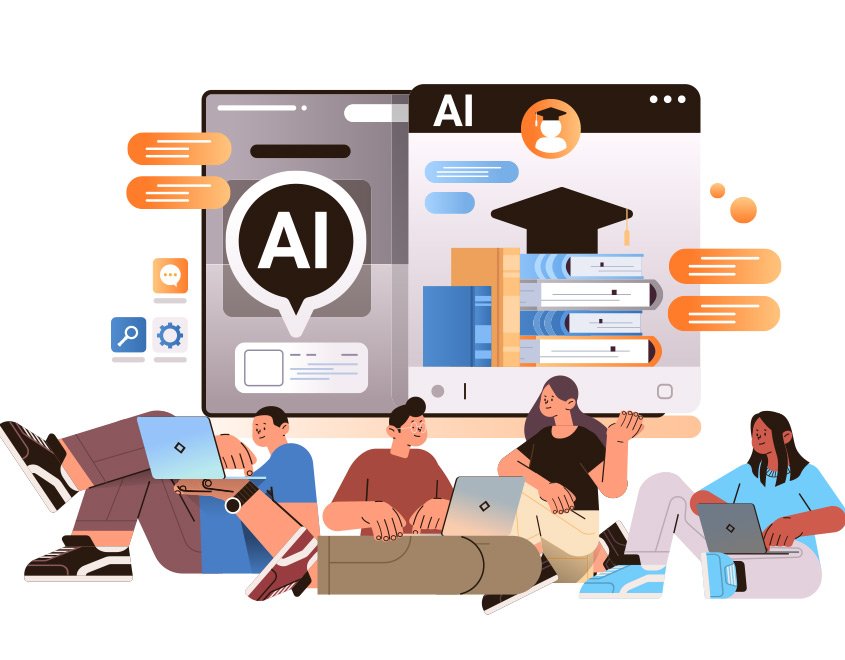
One of the best things about today is how easy it is to get to. Many free AI tools for students have powerful features that don’t cost anything.
Benefits of Free Tools
- No financial barrier
- Great for trying things out and learning
- Suitable for basic academic needs
Limitations to Keep in Mind
- Usage limits
- Fewer advanced features
- Occasional ads or restrictions
For most students, free versions are more than enough to improve academic performance.
Best AI Tools for Education: What Makes Them Effective
Not all tools are created equal. The best AI tools for education have some things in common that make them useful for a long time.
The Most Important Things About Good AI Tools
- Accuracy and reliability
- Use clear explanations instead of shortcuts.
- Design that is easy to use
- High standards for privacy
Tools that focus on learning outcomes, not just speed, last a long time.
Different Academic Levels Can Use AI Tools

AI works well at all levels of education.
For Students in High School
- How to do homework
- Getting ready for the test
- Help with writing
For Students in College and University
- Help with research
- Feedback on advanced writing
- Managing time and projects
For people who want to learn for life
- Learning new skills
- Learning a language
- Education at your own pace
AI is useful for many things, so it will still be useful years from now.
How to Use AI to Improve Your Study Habits
AI helps students build habits that will help them succeed in the long run, not just finish tasks.
Making Smart Habits
- Reminders to study every day
- Personalized schedules for studying
- Tracking progress
These systems help kids learn discipline and consistency over time, which are important skills outside of school.
AI Helping Students Succeed in Real Life
Example 1: Making Writing Better
A college student uses AI writing feedback to improve their essays over the course of several semesters. The student learns structure, argument clarity, and style instead of just using spellcheck.
Example 2: Getting good at hard subjects
A student who is having trouble with chemistry uses AI explanations and practice questions to fill in the gaps in their knowledge, which helps them do better on tests.
Example 3: Managing Your Time
A student can better manage their time between work, classes, and studying by using AI scheduling tools.
Answering Common Questions About AI in Education
“Will AI Make Students Lazy?”
No, not when used right. AI makes things easier, but you still have to think, make decisions, and work hard.
“Is AI Taking the Place of Teachers?”
No, AI helps teachers by giving them help outside of class and doing tasks that need to be done over and over again.
“Is student data safe?”
Good tools put data protection and openness first. Students should always read the privacy policies.
How to Use AI Tools for Long-Term Success
Students should use these tips to make sure AI stays useful for years to come:
- Don’t copy, learn with AI.
- Check important information against other sources
- Use both AI help and traditional study methods together.
- Think about what others say and use it on your own.
These principles still work even when technology changes.
How teachers can help students use AI responsibly
Teachers have a big impact on how students use AI.
Good Integration
- Show students how to use AI to help them study
- Promote openness in work that uses AI
- Put more emphasis on understanding and reasoning in tests.
This method gets students ready for a future where they need to know how to use AI.
The Future of AI Tools for Students (No Guessing)
It’s better to rely on things that are always true than to guess what will happen next:
- Students will always need help with hard-to-understand subjects.
- Managing your time will always be important.
- Clear writing and critical thinking will remain essential
No matter how technology changes, AI tools that meet these needs will still be useful.
Final Thoughts: Making AI Work for Students, Not Against Them
When used thoughtfully, ai tools for students can dramatically improve homework quality, study efficiency, and overall academic confidence. They help learners understand faster, organize better, and focus on meaningful learning rather than repetitive tasks.
The key is intention. Students who use AI as a partner in learning—not a replacement—gain skills that last well beyond exams and grades.
By choosing reliable tools, applying ethical practices, and focusing on understanding, students can turn AI into one of the most powerful educational allies of our time.
Enjoyed this? Steal the 10 prompts I actually use.
The No-Hype AI Starter Kit — copy-paste prompts, a model cheat-sheet, and a 7-day plan. Drop your email and it's yours instantly.
No spam. Unsubscribe anytime.